India, with its diverse climatic conditions and agricultural heritage, has always been at the forefront of innovations in farming. Among the many modern techniques transforming Indian agriculture, tissue culture stands out as a revolutionary method. This advanced biotechnological approach has opened new doors for farmers, researchers, and businesses, enabling the production of high-quality crops, disease-free plants, and sustainable agricultural practices. Let’s explore the science of tissue culture and its growing impact on Indian agriculture.
What is Tissue Culture?
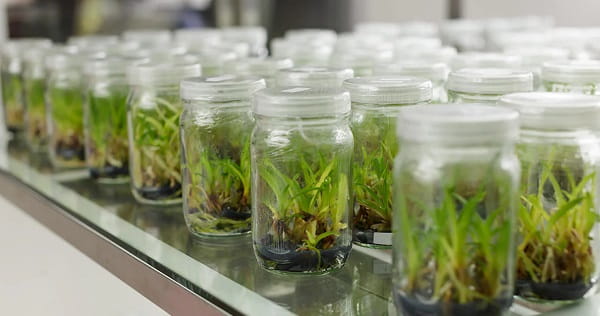
Tissue culture, also known as micropropagation, is a biotechnological technique used to grow plants from small pieces of plant tissue under sterile, controlled conditions. The process involves taking a small section of a plant, such as a leaf, stem, or root, and placing it on a nutrient-rich medium in a laboratory. Under the right conditions, these tissues develop into complete plants, genetically identical to the parent plant.
This technique allows for the rapid multiplication of plants, ensuring high-quality, disease-free, and uniform crops. Tissue culture has become a vital tool in modern agriculture, particularly for crops that are difficult to propagate through traditional methods.
The Science Behind Tissue Culture
Tissue culture relies on the principle of totipotency, which refers to the ability of plant cells to regenerate into a whole plant. The process typically involves several stages, including initiation, multiplication, rooting, and acclimatization.
In the initiation stage, plant tissues are sterilized and placed on a culture medium containing nutrients, hormones, and growth regulators. During multiplication, the tissues develop into multiple shoots, which are then separated and transferred to a rooting medium to develop roots. Finally, the young plants are acclimatized to natural conditions before being transferred to the field.
This systematic approach ensures the production of healthy, genetically identical plants in a relatively short time.
Applications of Tissue Culture in Indian Agriculture
Mass Production of High-Quality Plants
One of the biggest advantages of tissue culture is its ability to produce large quantities of plants in a short period. This is particularly beneficial for crops like bananas, sugarcane, and orchids, which are in high demand. Tissue-cultured plants are uniform, disease-free, and have a higher yield potential, making them ideal for commercial farming.
Disease-Free Planting Material
Tissue culture helps in producing disease-free planting material, which is crucial for crops prone to viral, bacterial, or fungal infections. By using meristem culture, a specialized form of tissue culture, scientists can produce plants free from pathogens, ensuring healthier crops and better yields.
Conservation of Endangered Species
India is home to a rich diversity of plant species, many of which are endangered due to deforestation, climate change, and overexploitation. Tissue culture plays a vital role in conserving these species by enabling their propagation and reintroduction into natural habitats. Rare medicinal plants, orchids, and indigenous crops are being preserved through this technique.
Genetic Improvement of Crops
Tissue culture is a key tool in plant breeding and genetic improvement. It allows researchers to develop new varieties of crops with desirable traits like higher yield, drought resistance, pest resistance, and improved nutritional content. Crops like rice, wheat, and pulses have benefited from tissue culture-based breeding programs in India.
Production of Secondary Metabolites
Many Indian medicinal plants produce valuable secondary metabolites used in pharmaceuticals, cosmetics, and food industries. Tissue culture enables the large-scale production of these metabolites in a controlled environment, reducing dependence on wild plants and ensuring a sustainable supply.
Horticulture and Floriculture
Tissue culture has revolutionized the horticulture and floriculture sectors in India. High-value crops like bananas, strawberries, and ornamental plants are now produced on a large scale using tissue culture techniques. This has boosted exports and provided farmers with lucrative opportunities.
Benefits of Tissue Culture in Indian Agriculture
The adoption of tissue culture in Indian agriculture has brought numerous benefits. It ensures the production of high-quality, disease-free planting material, leading to better yields and reduced crop losses. The technique enables year-round propagation, irrespective of seasonal limitations, ensuring a consistent supply of plants. Tissue culture also reduces the dependency on imports for high-quality seedlings, saving foreign exchange and promoting self-reliance.
Additionally, tissue culture supports sustainable agriculture by reducing the use of chemical pesticides and fertilizers. It also helps in the conservation of biodiversity and the development of climate-resilient crops, addressing some of the biggest challenges faced by Indian farmers today.
Challenges in Adopting Tissue Culture
Despite its many advantages, the adoption of tissue culture in India faces several challenges. The initial setup cost for tissue culture laboratories is high, making it difficult for small farmers to invest in the technology. The process requires skilled labor and advanced infrastructure, which are not always available in rural areas. Additionally, the cost of tissue-cultured plants is higher than traditional seedlings, which can be a barrier for farmers with limited budgets.
To address these challenges, the Indian government, along with private players, is offering subsidies, training programs, and financial assistance to promote the adoption of tissue culture. Public-private partnerships and research collaborations are also playing a crucial role in making this technology accessible to farmers across the country.
Government Initiatives Supporting Tissue Culture
The Indian government has launched several initiatives to promote tissue culture in agriculture. The Department of Biotechnology (DBT) has established Tissue Culture Pilot Plants and Centers of Excellence to support research and development in this field. Programs like the National Horticulture Mission (NHM) and Mission for Integrated Development of Horticulture (MIDH) provide financial assistance to farmers adopting tissue culture techniques. The government is also working on strengthening the regulatory framework to ensure the quality and safety of tissue-cultured plants.
The Future of Tissue Culture in Indian Agriculture
The future of tissue culture in Indian agriculture looks promising, with growing demand for high-quality, disease-free, and climate-resilient crops. Advances in biotechnology, automation, and genetic engineering are expected to further enhance the efficiency and scope of tissue culture. Emerging trends like CRISPR-based gene editing, in vitro conservation, and the production of bio-pharmaceuticals through tissue culture are likely to shape the next phase of growth in this sector.
As Indian farmers, researchers, and businesses continue to embrace this technology, tissue culture will play a pivotal role in addressing the challenges of food security, sustainability, and rural development.
Conclusion
The science of tissue culture is transforming Indian agriculture, offering innovative solutions to age-old problems. From mass production of disease-free plants to the conservation of endangered species and the development of high-yield crops, tissue culture has become a cornerstone of modern farming. While challenges remain, the ongoing efforts of the government, researchers, and private players are making this technology more accessible to farmers across the country. As India strives to achieve sustainable agricultural growth, tissue culture will undoubtedly be a key driver of progress and prosperity in the years to come.
Frequently Asked Questions (FAQs)
Q: What is tissue culture in agriculture?
A: Tissue culture is a biotechnological technique used to grow plants from small pieces of tissue under sterile, controlled conditions, ensuring high-quality, disease-free crops.
Q: What are the main benefits of tissue culture?
A: The main benefits include mass production of plants, disease-free planting material, conservation of endangered species, and the development of climate-resilient crops.
Q: Which crops in India are commonly produced through tissue culture?
A: Crops like bananas, sugarcane, orchids, strawberries, and ornamental plants are commonly produced using tissue culture in India.
Q: What are the challenges in adopting tissue culture in India?
A: Challenges include high setup costs, the need for skilled labor, limited infrastructure in rural areas, and higher costs of tissue-cultured plants compared to traditional seedlings.
Q: How is the Indian government supporting tissue culture?
A: The government supports tissue culture through initiatives like the National Horticulture Mission, financial subsidies, and the establishment of Tissue Culture Pilot Plants and research centers.
