DLF (Delhi Land & Finance) is one of India’s largest real estate developers. With a legacy spanning more than 75 years, DLF has built residential townships, commercial towers, IT parks, retail malls, and luxury properties across major Indian cities. The company is known for iconic developments like DLF Cybercity, DLF Mall of India, DLF Emporio, and large residential communities in Gurgaon and Delhi-NCR.
But real estate is a complex and capital-heavy industry. So how does DLF actually make money? Here’s a clear, structured breakdown of the DLF business model.
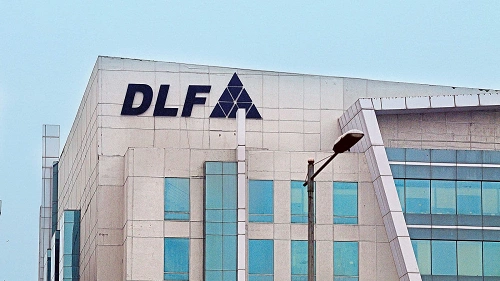
Understanding DLF’s Core Business
DLF operates mainly across two segments:
- Development Business (Build & Sell Model)
- Rental Business (Build & Lease Model)
Its portfolio includes:
- Residential apartments, villas, and plots
- Grade-A office spaces
- Retail malls and shopping centers
- IT SEZs
- Luxury hotels (through joint ventures)
This combination of development + rental creates both one-time and recurring revenue streams.
Key Components of DLF’s Business Model
a) Land Bank Ownership
DLF owns large land reserves, mostly acquired decades ago at low prices.
This gives them a huge advantage in developing high-value real estate today.
b) Mixed Portfolio
DLF balances:
- High-margin residential sales
- Stable recurring rental income from offices and malls
This mix makes the business financially resilient.
c) Strong Corporate Tenants
DLF leases premium office spaces to global clients such as:
- Deloitte
- KPMG
- IBM
- American Express
This ensures steady and predictable long-term income.
d) Focus on Premium Locations
DLF’s properties are located in high-demand zones like:
- Gurgaon
- Delhi
- Chennai
- Hyderabad
- Noida
Location strength drives both pricing power and occupancy.
How DLF Actually Makes Money
DLF earns through multiple revenue streams across property development, leasing, and ancillary services.
a) Residential Property Sales (Major Revenue Source)
DLF sells:
- High-rise apartments
- Luxury villas
- Independent floors
- Plots
- Integrated township homes
Revenue comes from:
- Booking amounts
- Construction-linked payments
- Final possession payments
Residential projects provide high but cyclical profits.
b) Commercial Leasing (Stable Recurring Income)
DLF earns massive rental income from Grade-A office spaces in Cybercity and other business districts.
Income sources include:
- Office rent
- Lease renewals
- Maintenance charges
- Parking fees
This is one of the most reliable and profitable segments.
c) Retail Malls & Shopping Centers
DLF owns and operates major malls such as:
- DLF Mall of India
- DLF Promenade
- DLF Emporio
- DLF Avenue
These malls generate revenue through:
- Rental leases
- Revenue-sharing agreements
- Maintenance charges
- Advertising inside mall premises
Retail leasing offers strong cash flow and high footfall-driven profitability.
d) DLF Cybercity Business Parks
DLF Cybercity is one of India’s largest commercial hubs.
DLF earns through:
- Long-term corporate leases
- Co-working partnerships
- Facility management fees
- Infrastructure services
Cybercity plays a major role in DLF’s recurring income.
e) Hospitality Joint Ventures
DLF has partnerships in hospitality, such as with The Lodhi Hotel and other premium properties.
Revenue comes from:
- Room bookings
- Food & beverage
- Banquet services
Hospitality is a smaller portion but adds brand value.
f) Facility Management Services
DLF provides facilities through DLF Services, which handles:
- Security
- Housekeeping
- Repairs
- Maintenance services
- Landscaping
Residents and corporate tenants pay charges for these services.
g) Parking & Ancillary Income
Large malls, offices, and residential complexes generate income from:
- Parking fees
- Utility services
- Advertisements
- Display spaces
These add steady side revenue.
h) Plot Development & Townships
DLF occasionally sells fully developed plots, earning strong margins due to:
- Low land cost
- High demand for ready-to-build plots
Townships bring both upfront sales and long-term maintenance income.
Why DLF’s Business Model Works
a) Balanced Revenue Mix
DLF earns through both sales (one-time) and leases (recurring).
This makes the company financially stable even in slow real estate cycles.
b) Strong Brand Trust
Homebuyers and corporate clients trust DLF for quality and timely delivery.
c) Prime Location Advantage
Most DLF properties are in high-value, high-demand areas, ensuring strong occupancy and premium pricing.
d) Large Land Reserves
Owning a huge land bank gives DLF a long-term competitive edge.
e) High Entry Barrier Industry
Real estate development requires capital, approvals, and experience—reducing competition.
Challenges DLF Faces
Even with a strong model, DLF deals with several challenges:
- Regulatory changes (RERA, GST, land laws)
- High construction and borrowing costs
- Cyclical demand in residential real estate
- Competition from new and regional developers
- Urban land scarcity
- Rising expectations for sustainable buildings
Managing debt and maintaining quality are major operational priorities.
The Future of DLF’s Growth
DLF is expected to grow through:
- More premium residential launches in NCR
- Expansion of Cybercity business parks
- New malls in Tier 1 and Tier 2 cities
- Stronger focus on sustainable buildings
- Grade-A+ office spaces for global companies
- Expansion of rental income portfolio
- Joint ventures for luxury projects
India’s economic growth and rising urban demand put DLF in a strong position.
Conclusion
DLF makes money through residential property sales, commercial office leasing, retail mall rentals, Cybercity business parks, hospitality partnerships, facility management services, township development, and ancillary charges. Its mixed model—one-time development revenue combined with long-term recurring rental income—keeps it one of India’s strongest and most profitable real estate developers.
This structure allows DLF to grow steadily while maintaining financial stability in a competitive and cyclical industry.
