In recent years, India has emerged as one of the most attractive destinations for global manufacturing. From electronics giants like Apple and Samsung to automobile leaders like Tesla and Toyota, multinational corporations are increasingly setting up or expanding their manufacturing operations in India. This shift is driven by a combination of strategic, economic, and geopolitical factors that make India a compelling choice for businesses seeking to diversify their production bases. Let’s explore why so many global companies are choosing India as their manufacturing hub and what this trend means for the future of the country’s economy.
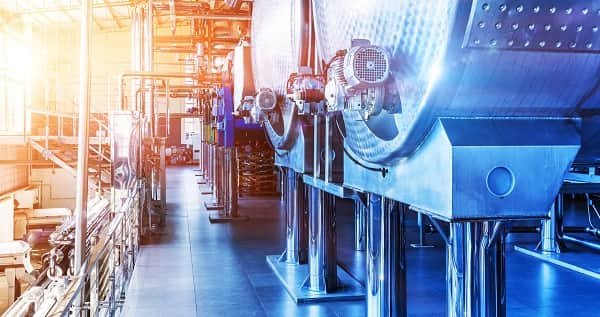
India’s Rise as a Global Manufacturing Hub
India’s transformation into a global manufacturing hub is no accident. The country has been steadily building its manufacturing capabilities over the past few decades, supported by favorable government policies, a skilled workforce, and a vast consumer market. Initiatives like “Make in India,” launched in 2014, have played a pivotal role in promoting domestic manufacturing and attracting foreign investment. With manufacturing contributing significantly to India’s GDP and employment, the sector is poised to play an even larger role in the country’s economic growth.
Key Reasons Global Companies are Shifting Manufacturing to India
Diversification Away from China
For decades, China has been the world’s manufacturing powerhouse, but recent geopolitical tensions, trade wars, and the COVID-19 pandemic have exposed the risks of over-reliance on a single country. Many global companies are adopting a “China Plus One” strategy, where they retain some operations in China while diversifying production to other countries. India has emerged as a top choice for this diversification due to its size, capabilities, and growth potential.
Skilled and Affordable Workforce
India offers a vast pool of skilled and semi-skilled workers at competitive wages, making it an attractive destination for labor-intensive industries. The country produces millions of engineers, technicians, and graduates every year, ensuring a steady supply of talent for various manufacturing sectors. Additionally, the cost of labor in India is significantly lower than in developed countries, providing companies with a clear cost advantage.
Government Initiatives and Incentives
The Indian government has rolled out several initiatives to boost manufacturing and attract foreign investment. Programs like “Make in India,” “Atmanirbhar Bharat,” and Production-Linked Incentive (PLI) schemes have created a favorable environment for businesses. The PLI scheme, in particular, has been a game-changer, offering financial incentives to companies in sectors like electronics, pharmaceuticals, automobiles, and textiles. These initiatives have made India a more competitive and lucrative destination for global manufacturers.
Large Domestic Market
India’s massive consumer base, with a population of over 1.4 billion people, is one of its biggest strengths. The growing middle class, rising disposable incomes, and increasing demand for high-quality goods make India an attractive market for global companies. By manufacturing in India, companies can not only cater to the domestic market but also use the country as a base for exports to other regions.
Strategic Geographical Location
India’s strategic geographical location offers easy access to key global markets, including Europe, the Middle East, Africa, and Southeast Asia. The country’s well-developed ports, airports, and trade routes make it a logistical hub for international trade. This connectivity allows companies to efficiently distribute their products to various parts of the world.
Improving Infrastructure
India’s infrastructure has seen significant improvements in recent years, with massive investments in roads, railways, ports, and airports. The development of industrial corridors like the Delhi-Mumbai Industrial Corridor (DMIC) and the establishment of dedicated freight corridors have enhanced the country’s manufacturing capabilities. Additionally, Special Economic Zones (SEZs) provide companies with state-of-the-art facilities, tax benefits, and streamlined regulatory processes.
Focus on Technology and Innovation
India is rapidly emerging as a hub for technology and innovation, with a thriving ecosystem of startups, research institutions, and tech companies. The integration of advanced technologies like artificial intelligence, robotics, and the Internet of Things (IoT) in manufacturing is helping global companies achieve higher efficiency, quality, and productivity. India’s expertise in IT and software development further complements its manufacturing capabilities.
Trade Agreements and Global Partnerships
India has signed numerous trade agreements with countries and regional blocs, providing companies with preferential access to international markets. Partnerships with organizations like the World Trade Organization (WTO) and bilateral trade agreements with countries like the United States, Japan, and the United Arab Emirates have boosted India’s standing as a manufacturing destination.
Resilient Economy
Despite global economic challenges, India has consistently demonstrated economic resilience, making it a reliable destination for long-term investments. The country’s strong macroeconomic fundamentals, including a stable currency, manageable inflation, and a growing GDP, provide a stable environment for businesses to thrive.
Sectors Driving Manufacturing Growth in India
Several sectors are leading the manufacturing boom in India. Let’s take a closer look at some of the key industries.
Electronics and Semiconductors
The electronics manufacturing sector is one of the fastest-growing in India, with companies like Apple, Samsung, Foxconn, and Wistron setting up production facilities in the country. India is also focusing on becoming a semiconductor manufacturing hub, with massive investments planned in this critical sector.
Automobiles and Electric Vehicles (EVs)
India is one of the largest automobile markets in the world, attracting global players like Tesla, Toyota, Hyundai, and Volkswagen. The growing demand for electric vehicles and the government’s push for sustainability have further boosted the EV sector. Companies like Tesla are looking at India as a key market for their electric cars, while Indian companies like Tata Motors and Mahindra are leading the EV revolution.
Pharmaceuticals and Medical Devices
India’s pharmaceutical industry, known as the “Pharmacy of the World,” continues to attract global players. The country is also emerging as a hub for medical device manufacturing, with companies like Medtronic and Philips expanding their operations.
Textiles and Apparel
India is a global leader in textile and apparel manufacturing, with companies like Zara, H&M, and Levi’s sourcing products from the country. The PLI scheme for textiles is expected to further boost this sector, attracting more global brands.
Renewable Energy
The renewable energy sector is gaining momentum in India, with global companies investing in solar panel manufacturing, wind turbines, and green hydrogen production. India’s commitment to renewable energy and climate goals makes it an attractive destination for green tech investments.
Challenges That Need Addressing
While India has made significant progress, it still faces challenges that need to be addressed to fully realize its potential as a global manufacturing hub. Issues like bureaucratic red tape, complex tax structures, and inconsistent regulations can deter foreign investors. Infrastructure gaps in certain regions, coupled with logistical inefficiencies, can also impact manufacturing operations. Additionally, the country needs to invest in upskilling its workforce to meet the demands of advanced manufacturing technologies.
The government has been actively working to address these challenges through reforms like the introduction of the Goods and Services Tax (GST), simplification of labor laws, and improvements in the ease of doing business. Continued efforts in these areas will be crucial to maintaining India’s competitive edge.
The Future of Manufacturing in India
The future of manufacturing in India looks promising, with the sector expected to play a pivotal role in the country’s economic growth. As global companies continue to diversify their supply chains, India is well-positioned to capture a significant share of global manufacturing investments. Emerging sectors like green energy, electric vehicles, and semiconductors are likely to drive the next phase of growth, while traditional industries like textiles, pharmaceuticals, and automobiles will continue to thrive.
With the government’s focus on creating a business-friendly environment, investing in infrastructure, and promoting innovation, India is set to become a global manufacturing powerhouse in the coming years.
Conclusion
The shift of global manufacturing to India is more than just a trend — it’s a strategic move driven by the country’s unique advantages and growing capabilities. From a skilled workforce and government support to a vast domestic market and improving infrastructure, India offers everything that global companies need to thrive. While challenges remain, the country’s commitment to reform and growth makes it a compelling destination for businesses looking to expand or diversify their manufacturing operations. As India continues to rise as a global manufacturing hub, it is not only transforming its own economy but also reshaping the global supply chain landscape.
Frequently Asked Questions (FAQs)
Q: Why are global companies shifting manufacturing to India?
A: Global companies are shifting to India due to its skilled workforce, cost advantages, government incentives, large consumer market, and strategic location.
Q: What is the “Make in India” initiative?
A: “Make in India” is a government initiative launched in 2014 to promote domestic manufacturing, attract foreign investment, and make India a global manufacturing hub.
Q: Which sectors are driving manufacturing growth in India?
A: Key sectors include electronics, automobiles, pharmaceuticals, textiles, renewable energy, and semiconductors.
Q: What challenges does India face in becoming a global manufacturing hub?
A: Challenges include bureaucratic red tape, infrastructure gaps, complex tax structures, and the need for workforce upskilling.
Q: What is the future of manufacturing in India?
A: The future looks bright, with emerging sectors like EVs, green energy, and semiconductors driving growth, supported by government reforms and global investments.
