FedEx is one of the world’s largest logistics and delivery companies. Known for fast shipping, global air express service, and reliable door-to-door delivery, FedEx plays a major role in international trade and e-commerce. Whether it’s documents, parcels, heavy freight, medical shipments, or returns management, FedEx handles millions of shipments every day across more than 220 countries.
But logistics is a capital-intensive industry that requires aircraft, trucks, sorting hubs, technology systems, and a massive workforce. So how does FedEx actually make money? Here’s a clear breakdown of its business model.
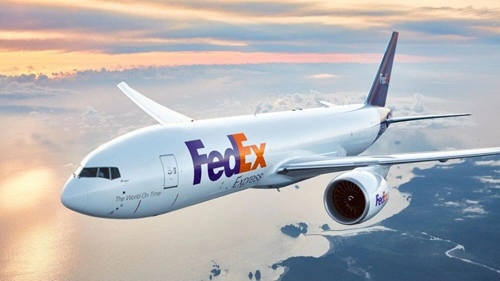
Understanding FedEx’s Core Business
FedEx operates through four major divisions:
- FedEx Express – Air cargo and international express delivery
- FedEx Ground – Cost-effective ground shipping
- FedEx Freight – Less-than-truckload (LTL) freight services
- FedEx Services – Technology, billing, customer experience, and logistics solutions
These divisions help FedEx serve all types of customers—from individuals shipping a single package to large enterprises moving global supply chains.
Key Components of FedEx’s Business Model
a) Hub-and-Spoke Network
FedEx moves shipments through major hubs (Memphis, Indianapolis, Paris, Guangzhou) before routing them to final destinations.
This system ensures speed and efficiency.
b) Strong Fleet Advantage
FedEx operates one of the world’s largest cargo airlines and a massive ground delivery fleet.
The company owns planes, trucks, vans, and sortation centers.
c) Multi-Segment Service Offering
FedEx serves:
- E-commerce companies
- Retailers
- Manufacturers
- Healthcare and pharma
- SMEs and individuals
Different segments bring different revenue streams.
d) Technology Integration
FedEx relies heavily on tracking systems, automation, and AI to improve delivery time and reduce costs.
How FedEx Actually Makes Money
Here are the major revenue streams powering FedEx.
a) Shipping Charges (Primary Revenue Source)
FedEx earns money through shipping fees, which depend on:
- Package weight
- Distance
- Speed of delivery
- Size of shipment
- Fuel surcharge
- Additional service fees
This is the company’s largest source of revenue.
b) Express Delivery Premium Pricing
FedEx Express offers time-critical shipments:
- Overnight
- Same-day
- 1–2 day international delivery
These services have high pricing and high margins compared to ground shipping.
Business customers frequently use express for urgent shipments, making it a major profit driver.
c) Ground Delivery Services
FedEx Ground is used for:
- E-commerce deliveries
- Home deliveries
- SME shipments
Pricing is lower than Express but has strong volume and predictable demand.
FedEx Ground earns revenue through:
- Per-package charges
- B2B contract rates
- E-commerce partnerships
d) Freight & LTL Services
FedEx Freight handles:
- Pallet shipments
- Heavy goods
- Industrial cargo
- Business logistics
It earns through:
- Distance-based freight charges
- Accessorial fees
- Fuel surcharges
This segment supports the manufacturing and retail supply chain.
e) Value-Added Services
FedEx charges extra for:
- Package pickup
- Signature confirmation
- Weekend delivery
- Temperature-controlled shipping
- Dangerous goods handling
- Insurance
- Packaging services
These add-ons increase overall revenue per shipment.
f) E-Commerce Fulfillment & Returns
FedEx partners with online retailers to manage:
- Warehousing
- Order picking and packing
- Inventory management
- Reverse logistics (returns processing)
Retailers pay FedEx for each service, creating a steady revenue line from the booming e-commerce sector.
g) Cross-Border & Customs Services
For international shipments, FedEx earns through:
- Customs clearance fees
- Duties and tax processing
- Export/import documentation
- International handling charges
This is one of the fastest-growing segments as global e-commerce expands.
h) Logistics & Supply Chain Solutions
FedEx offers supply chain management for large enterprises, including:
- Transportation planning
- Warehousing
- Inventory management
- Distribution services
- Omnichannel logistics
Companies pay high contract fees for end-to-end logistics.
i) FedEx Office Services
FedEx Office centers earn revenue from:
- Printing
- Copying
- Scanning
- Packaging
- Shipping drop-offs
This builds additional revenue and drives foot traffic.
j) Technology Licensing & Data Services
FedEx provides:
- API access
- Tracking technology
- Shipping system integration
- Commercial data solutions
Businesses pay for these digital tools, generating recurring income.
Why FedEx’s Business Model Works
a) Massive Global Network
FedEx’s infrastructure is hard to replicate, making it a strong competitor.
b) Diverse Segments = Stable Revenue
Express, Ground, Freight, and logistics ensure stability even if one market slows.
c) E-Commerce Boom
Online shopping continues to increase FedEx’s shipment volumes.
d) High Entry Barriers
Building a fleet of aircraft, trucks, and hubs requires billions in investment—protecting FedEx from new competition.
e) Technology-Driven Efficiency
Real-time tracking and automated sorting make FedEx both reliable and fast.
Challenges FedEx Faces
Despite the strong business model, challenges remain:
- Rising fuel costs
- Labor shortages
- Competition from UPS, DHL, Amazon Logistics
- Economic slowdowns affecting shipping volume
- High aircraft and fleet maintenance costs
- Pressure from customers for faster and cheaper delivery
FedEx must balance speed, cost, and operational efficiency.
The Future of FedEx’s Growth
FedEx is focusing on:
- Automation and robotics in sorting centers
- Electric delivery vehicles
- Drone delivery tests
- AI-based route optimization
- Larger fulfillment partnerships with retailers
- Growing its international express network
- Expanding healthcare logistics
As global trade and e-commerce grow, FedEx remains positioned for long-term demand.
Conclusion
FedEx makes money through shipping charges, express delivery services, ground logistics, freight and LTL shipments, value-added services, e-commerce fulfillment, customs processing, supply chain management, and digital technology solutions. Its global network, air fleet, and strong brand allow it to operate one of the world’s most efficient logistics ecosystems while generating stable and diversified revenue.
