As electric vehicles (EVs) grow rapidly across the world, the demand for charging infrastructure is rising just as fast. EV charging stations—whether operated by startups, energy companies, automakers, or government-backed networks—play a crucial role in enabling the transition from petrol/diesel to clean mobility. But building and running a charging station requires heavy investment in chargers, power supply, land, and software systems.
So how do EV charging station operators actually make money? Here’s a clear breakdown of their business model and revenue streams.
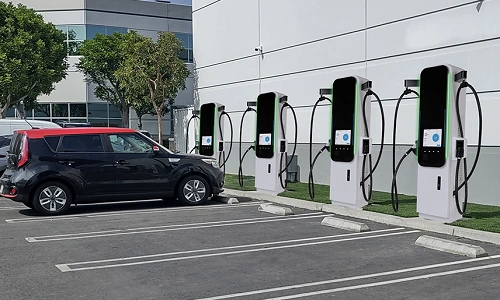
Understanding the EV Charging Business
EV charging stations provide charging services to:
- Electric cars
- Electric two-wheelers
- Electric buses
- Electric fleets
- Delivery and taxi operators
Charging stations vary by type:
- Slow AC Chargers (3.3 kW – 22 kW)
- Fast DC Chargers (30 kW – 60 kW)
- Ultra-Fast Chargers (100 kW – 350 kW)
The higher the charging speed, the higher the earning potential.
Charging operators may run:
- Public charging stations
- Highway charging plazas
- Workplace charging
- Fleet charging hubs
- Residential and apartment charging points
Key Components of the EV Charging Business Model
a) Hardware + Software Integration
Charging stations need:
- Chargers
- Payment gateways
- Load management systems
- Mobile app integration
- Remote monitoring
This makes the EV charging business a tech + energy hybrid model.
b) Partnerships With Real Estate
Most stations are set up at:
- Malls
- Parking lots
- Fuel stations
- Hotels
- Highways
- Office complexes
Land partnerships keep costs lower.
c) Charging Networks
Large operators build networks across cities and highways.
Users can locate chargers through the app, boosting utilization.
d) User Convenience
The more convenient the station, the more revenue it generates.
How EV Charging Stations Actually Make Money
Here are the main revenue streams powering EV charging operators.
a) Charging Fees (Primary Revenue Source)
Customers pay based on:
- Per kWh consumed
- Per minute charging
- Per session charge
Example:
₹15–₹25 per kWh for DC fast charging in India.
Usage-based pricing is the biggest income stream.
b) Membership & Subscription Plans
Charging networks offer:
- Monthly subscriptions
- Unlimited charging packs
- Discount bundles
- Priority access passes
This creates predictable, recurring revenue.
c) Tie-Ups With Automakers
EV companies like Tata Motors, MG, Hyundai, and Mahindra partner with charging operators for:
- Exclusive charging discounts
- Integrated apps
- Charging recommendations
Charging networks earn through partnership fees or revenue-sharing deals.
d) Fleet Charging Contracts
Delivery and mobility companies (Blinkit, Zomato, Uber Electric, Rapido EV, logistics startups) need daily charging for EV fleets.
Stations earn through:
- Long-term contracts
- Bulk charging rates
- Exclusive charging hubs
This is a fast-growing B2B revenue stream.
e) Advertising & Brand Partnerships
Charging stations and apps sell:
- Digital ads
- Branding on chargers
- Ads inside the app
- Offers from nearby restaurants or stores
High footfall locations—malls and highways—earn well from ad placements.
f) Government Incentives & Subsidies
Many governments offer:
- Capital subsidies
- Lower electricity rates
- Tax benefits
- Grants for setting up land and infra
Operators profit by reducing costs.
g) Selling Energy Storage Solutions
Some charging stations use:
- Battery energy storage
- Solar panels
- Smart grids
These help reduce peak electricity costs and improve margins.
Excess stored power can also be sold back to the grid.
h) Value-Added Services at Stations
Operators earn from:
- Parking fees
- Car wash services
- Café/retail counters
- Convenience stores
- Rest lounges on highways
Charging takes time, so add-on services increase per-visit earnings.
i) Home & Apartment Charger Installations
Charging operators sell and install home chargers for EV owners.
Revenue streams include:
- Installation fees
- Annual maintenance
- Smart app subscription
This segment is growing quickly as more people buy EVs.
j) Software as a Service (SaaS)
Firms that build charging software earn money by offering:
- Charge point management systems
- Billing systems
- OCPP platform integrations
- White-label apps for other operators
This brings recurring subscription revenue from businesses.
Why the EV Charging Business Model Works
a) Rising EV Adoption
More EVs = more charging demand = more revenue.
b) Multiple Monetization Layers
Charging stations earn from energy + software + services.
c) Recurring Consumption
EV customers return multiple times a month.
d) Government Push
Policy support and incentives reduce risk.
e) Network Effect
Larger charging networks attract more users, which increases utilization and profitability.
Challenges EV Charging Operators Face
- High installation cost of DC fast chargers
- Low utilization in early years
- Long payback period
- Heavy competition
- Grid capacity issues
- Land availability challenges
- Seasonal fluctuations in EV usage
To survive, operators must mix B2C + B2B + subscription models.
The Future of EV Charging Revenue (2025 and Beyond)
EV charging will see new income streams, such as:
- Battery swapping networks
- Solar-powered charging hubs
- Vehicle-to-grid (V2G) energy selling
- Ultra-fast charging for highways
- Smart fleet charging automation
- Loyalty programs & cross-brand partnerships
The business will shift from simple “energy sales” to full ecosystem monetization.
Conclusion
EV charging stations make money through charging fees, subscription plans, partnerships with EV manufacturers, fleet contracts, advertising, government incentives, home charger installations, SaaS platforms, and value-added services. Their business model combines energy sales with technology, convenience, and recurring customer usage. As EV adoption accelerates, charging networks will become one of the most important and profitable pillars of the clean mobility ecosystem.
