Urban Ladder began in 2012 with a simple idea: buying furniture in India should be easy, transparent, and modern. Before online furniture brands arrived, customers had to depend on local stores with limited designs and unpredictable quality. Urban Ladder changed that with a digital-first approach, stylish collections, and a well-curated shopping experience.
Over the years, the brand has grown into a major player in the home décor and furniture market. But how does Urban Ladder actually earn money while selling large, heavy, and logistics-intensive products? Let’s break down the company’s model and revenue streams.
The Core Idea Behind Urban Ladder
Urban Ladder was built on three pillars:
- Good design
- Reliable quality
- A smooth buying experience
They don’t act like a regular furniture shop. Instead, they function like a design-led lifestyle brand. The company invests heavily in product design, material selection, and customer support. This gives Urban Ladder a differentiated position in a market full of unorganized and low-quality sellers.
Their biggest strength is consistency. Whether you buy a bed, sofa, or dining table, the design looks refined and the quality stays assured. That reliability is what customers pay for.
How Does Urban Ladder Make Money?
Urban Ladder earns money through several interconnected channels. Its model mixes product sales, in-house manufacturing, digital retail, and customer services.
A. Selling Furniture Through Online & Offline Stores
The main source of Urban Ladder’s revenue is furniture sales. Their catalogue covers:
- Sofas
- Beds
- Mattresses
- Bookshelves
- Dining sets
- Living room and bedroom décor
- Office furniture
The brand focuses on modern, aesthetic designs that appeal to urban customers. Each product is created under Urban Ladder’s own design team, and the company works with selected manufacturers to maintain uniform quality.
Urban Ladder earns money every time a customer purchases furniture—both online and offline. Most of its revenue still comes from digital sales, but physical stores add credibility and help customers experience furniture before buying.
B. High Margins on Design-Led Furniture
Furniture isn’t just about materials—it’s also about design. Urban Ladder charges a design premium on many products because customers value:
- Custom finishes
- Ergonomic design
- Contemporary styling
- Consistent durability
The company’s in-house design process creates uniqueness, which allows higher margins compared to unbranded sellers.
C. Private Label Manufacturing
Unlike a marketplace, Urban Ladder sells mostly private label furniture. This means:
- They control design
- They control manufacturing partners
- They control pricing
- They capture most of the profit margin
Private labels are extremely profitable because the brand keeps a larger share of revenue instead of sharing it with third-party sellers.
D. Home Décor & Accessories
Beyond large furniture, Urban Ladder earns money by selling smaller items such as:
- Lamps
- Rugs
- Curtains
- Wall art
- Storage solutions
These items have higher margins and encourage repeat purchases. Customers who buy furniture often add décor items to complete their room, which increases the average order value.
E. Delivery & Assembly Services
Urban Ladder also earns from delivery and installation services. Buying furniture online requires:
- Packaging
- Transport
- Assembly
- Warranty support
Some services are included, while others come at an extra cost. This improves customer convenience and adds another stream of revenue.
F. Premium Services & Interior Consultations
Urban Ladder offers professional interior design consultations. Customers can book personal design advice for planning:
- Living rooms
- Bedrooms
- Full home setups
These design services encourage customers to buy full sets of furniture rather than individual items, increasing the company’s overall sales.
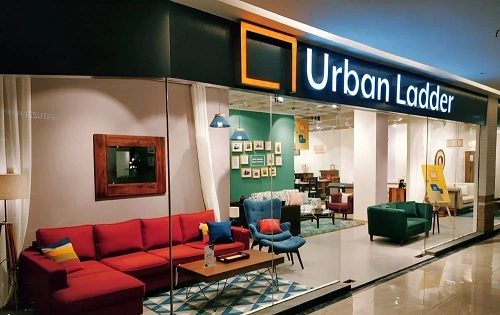
G. Offline Retail Expansion
Urban Ladder shifted from being “online-only” to a hybrid model. Their offline stores:
- Build customer trust
- Showcase real furniture
- Increase brand visibility
Retail stores generate direct revenue, but they also drive online sales by letting customers try before they buy. This omnichannel approach helps Urban Ladder capture a bigger share of India’s furniture market.
H. B2B & Corporate Sales
Urban Ladder also supplies furniture to:
- Startups
- Offices
- Hotels
- Co-working spaces
- Real estate developers
B2B sales bring large orders and high revenue volumes. Many companies prefer Urban Ladder because of its modern designs and strong after-sales service.
Why Urban Ladder’s Business Model Works?
Urban Ladder stands out for several reasons:
a. Strong Design Identity
The brand doesn’t sell random products. It sells curated collections that feel consistent and premium.
b. Controlled Manufacturing
By managing design and working directly with manufacturers, Urban Ladder reduces costs and maintains quality.
c. Digital-First Approach
The company keeps its online model strong, which lowers operational costs compared to traditional furniture chains.
d. Trust & Customer Experience
Transparent pricing, easy replacement policies, solid after-sales service, and quality assurance help build customer loyalty.
e. Omnichannel Presence
Combining digital shopping with physical stores gives customers choice and confidence.
Challenges Urban Ladder Faces
Despite its strong model, the company deals with:
- High logistics costs
- Heavy competition from Pepperfry, IKEA, and local stores
- Price-sensitive customers
- Long delivery timelines for bulky furniture
- Difficulty in maintaining inventory for thousands of SKUs
Still, Urban Ladder continues to grow by focusing on design, quality, and customer service.
Conclusion
Urban Ladder makes money by selling private label furniture, charging design premiums, offering delivery and assembly services, selling home décor accessories, and providing interior design consultations. Its online-first approach, strong branding, curated collections, and hybrid retail strategy help it stand out in a competitive market.
By controlling design, manufacturing partnerships, customer experience, and retail channels, Urban Ladder has built a sustainable business model that blends creativity with efficiency.
