Tata Motors is one of India’s largest automobile manufacturers, known for commercial vehicles, passenger cars, electric vehicles, and global brands like Jaguar Land Rover (JLR). The company plays in almost every segment of the automotive market—from affordable hatchbacks to luxury SUVs, from trucks to defence vehicles. Over the years, Tata Motors built a diversified and resilient business model that generates revenue from multiple streams across India and international markets.
But how does Tata Motors actually make money? Here’s a clear breakdown of their business model and revenue engines.
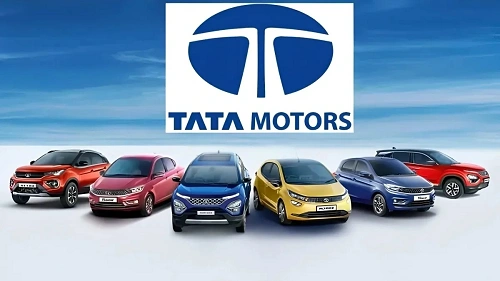
Understanding Tata Motors’ Core Business
Tata Motors operates in several major segments:
- Passenger vehicles (cars & SUVs)
- Commercial vehicles (trucks, buses, pickups)
- Jaguar Land Rover (luxury segment)
- Electric vehicles (Tata EV division)
- Defence and special purpose vehicles
- Spare parts and after-sales services
Each segment contributes differently to revenue, profitability, and market dominance.
Key Components of Tata Motors’ Business Model
a) Multi-Segment Vehicle Portfolio
Tata caters to every price bracket:
- Budget models (Tiago, Tigor)
- Mid-range SUVs (Nexon, Harrier, Safari)
- Electric cars (Nexon EV, Tiago EV, Punch EV)
- Commercial vehicles (Ace, Prima, Ultra)
- Premium cars through JLR
This wide presence reduces dependence on any single market.
b) Strong Domestic Manufacturing
Tata Motors builds most of its vehicles in India.
Local manufacturing lowers production costs and improves margins.
c) Integrated Supply Chain
The company works closely with suppliers for:
- Engines
- Chassis
- Electronics
- Batteries
- Raw materials
This helps Tata maintain stable pricing and efficient production.
d) Technology & Innovation Focus
From EV technology to connected car features, Tata invests heavily in R&D.
Innovation drives premium pricing and customer loyalty.
e) Global Operations Through JLR
The Jaguar Land Rover brand allows Tata Motors to earn high-margin revenue from developed markets like Europe, China, and the US.
How Tata Motors Actually Makes Money?
Now let’s break down the actual revenue sources.
a) Vehicle Sales (Primary Revenue Source)
Selling vehicles is the largest contributor to Tata Motors’ income.
This includes:
- Cars
- SUVs
- Trucks
- Buses
- Pickups
- Luxury vehicles under JLR
Each sale generates revenue and margin based on model and segment.
b) Commercial Vehicle Sales
Tata Motors is India’s biggest commercial vehicle manufacturer.
They earn money through:
- Trucks for logistics
- Buses for transport
- Construction and mining vehicles
- Small commercial vehicles like Tata Ace
Commercial vehicles offer stable demand because they are tied to economic activity.
c) Passenger Vehicle Sales
This segment has become very strong thanks to popular models like:
- Nexon
- Punch
- Harrier
- Safari
- Altroz
Higher sales volumes and improved design have increased profitability.
d) Electric Vehicle Sales
Tata Motors is the EV market leader in India.
They earn revenue from:
- EV car sales
- Battery packs
- Charging solutions
- Government incentives
EVs are a growing profit engine due to rising demand.
e) Jaguar Land Rover (JLR)
JLR generates premium revenue through luxury vehicles such as:
- Range Rover
- Land Rover Discovery
- Jaguar F-Pace
- Defender
JLR contributes the biggest portion of Tata Motors’ overall revenue.
f) Spare Parts and Accessories
Every Tata Motors vehicle sold requires ongoing maintenance.
The company earns money from:
- Spare parts
- Batteries
- Tyres
- Lubricants
- Car accessories
After-sales services have high margins and long-term recurring revenue.
g) Service, Repairs & AMC
Tata dealerships earn through:
- Routine service
- Body repair
- Annual maintenance contracts
- Extended warranties
Service revenue grows as the number of Tata vehicles on the road increases.
h) Finance & Leasing (Tata Motors Finance)
Tata Motors benefits from its financing arm through:
- Vehicle loans
- Leasing solutions
- Fleet financing
- Insurance tie-ups
This boosts vehicle sales and generates extra income from interest and service fees.
i) Defence Vehicle Contracts
The company supplies specialized vehicles to the Indian Armed Forces.
Revenue comes from:
- Armored vehicles
- Tactical trucks
- Military equipment transporters
These contracts bring steady cash flow.
j) Export Revenue
Tata Motors sells vehicles to markets across Africa, Middle East, and Asia.
Exports help diversify income.
Why Tata Motors’ Business Model Works?
Tata’s business model is strong because of several strategic advantages.
a) Multi-Segment Strength
From budget cars to luxury SUVs, Tata covers every customer category.
b) Dominance in EVs
Tata’s EV strategy gives them a leadership position in a fast-growing sector.
c) Strong Brand Value
Tata’s reputation for safety, reliability, and trust attracts buyers.
d) Efficient Manufacturing
Scale and local production keep costs under control.
e) JLR’s Global Earnings
JLR’s premium pricing boosts overall profitability.
f) After-Sales Recurring Revenue
Service and spares generate steady income even in slow market periods.
Challenges Tata Motors Faces
Despite strong performance, Tata deals with:
- High competition in EV and SUV segments
- Rising raw material costs
- Chip shortages and supply disruptions
- Dependence on JLR for global profits
- Economic cycles that affect commercial vehicle sales
The company must innovate continually to stay ahead.
The Future of Tata Motors’ Growth
Future growth will come from:
- Expanding EV lineup
- Battery manufacturing partnerships
- Software-driven car features
- Autonomous and connected vehicle technology
- Global expansion of JLR EVs
- Growing commercial vehicle demand
Tata Motors is shifting toward becoming a mobility and technology company, not just a car maker.
Conclusion
Tata Motors makes money through vehicle sales, commercial vehicles, EVs, luxury cars under JLR, spare parts, after-sales services, finance offerings, exports, and defence contracts. With a diversified portfolio and strong presence across market segments, Tata Motors runs one of the most resilient business models in the automotive industry. As India’s mobility landscape evolves, Tata Motors is positioned to keep leading in both electric and traditional vehicle markets.
