Pepperfry started in 2012 as one of India’s earliest online furniture and home décor platforms. At a time when people were still unsure about buying large furniture online, Pepperfry took the bold step of creating a digital marketplace for sofas, beds, décor, and everything needed to set up a home. Over the years, the platform built trust through unique designs, reliable deliveries, and a strong seller network.
But behind the beautifully designed furniture and stylish collections lies a solid business model. Here’s how Pepperfry actually makes money and sustains itself in a competitive market.
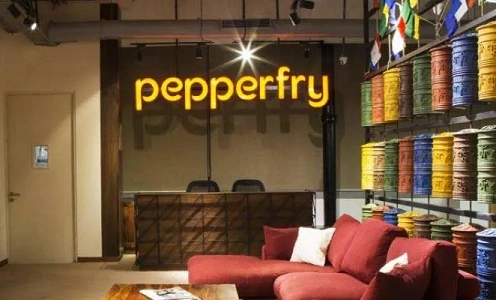
The Core Idea Behind Pepperfry
Pepperfry’s mission has always been simple: make furniture buying easier, more transparent, and more enjoyable. The platform brings together thousands of sellers, manufacturers, and craftsmen under one roof. It sells:
- Furniture
- Mattresses
- Décor items
- Kitchenware
- Lighting
- Customized designs
Pepperfry does not produce most of its products itself. Instead, it acts as a bridge between sellers and customers. This marketplace structure helps them scale faster, control inventory costs, and offer much wider variety compared to traditional furniture stores.
How Does Pepperfry Make Money?
Pepperfry has built multiple revenue streams. Some rely on marketplace commissions, while others come from private labels, logistics, and offline store partnerships.
A. Marketplace Commission (Primary Revenue Stream)
Pepperfry operates mainly as a marketplace, meaning it hosts sellers who list their products on the platform. Every time a customer buys something, Pepperfry earns a commission from the seller.
The commission percentage depends on:
- Product category
- Brand value
- Profit margins
- Popularity of the item
For furniture and décor, commissions are usually higher because the selling price is high and margins allow it.
This is Pepperfry’s biggest source of revenue and the backbone of its model.
B. Private Label Products (Higher Margin Revenue)
While Pepperfry started as a pure marketplace, it later introduced its own private label brands such as:
- Mintwud
- CasaCraft
- Amberville
- Bohemiana
Private label products give Pepperfry far better margins because:
- There is no middleman
- Design and pricing are controlled internally
- Manufacturing happens through selected partners
Customers often prefer private labels because they offer better design at competitive prices. This segment contributes strongly to overall profitability.
C. Pepperfry Studios (Offline Franchise Stores)
Pepperfry expanded into offline retail through Pepperfry Studios. These are experience centers where customers can:
- Touch and feel the furniture
- Get design help
- Get recommendations for décor
- See fabric and wood samples
Pepperfry earns from these studios in two ways:
- Franchise Fees – Pepperfry partners with franchise owners who pay a fee to operate the store.
- Commission on Store Sales – When customers buy through the studio, Pepperfry earns commission from the sale.
The combination of franchising and hybrid retailing boosts revenue while keeping operational costs low.
D. Logistics & Warehousing Services (Pepperfry Fulfilment)
Furniture logistics is complicated. Pepperfry solved this by building its own logistics network, including:
- Warehouses
- Delivery teams
- Assembly services
Now the platform also charges sellers for:
- Warehousing
- Packaging
- Delivery
- Installation
By offering full-stack logistics, Pepperfry ensures quality control and creates a steady revenue flow from sellers who depend on its fulfilment network.
E. Interior Design Consultations
Pepperfry offers interior design help through both online and offline channels. Customers planning full-home setups pay for:
- Professional design consultations
- Layout planning
- Complete room packages
These services not only bring in extra revenue but also encourage customers to purchase complete sets of furniture, increasing the order value.
F. Advertising Revenue from Sellers
Since Pepperfry hosts thousands of sellers, many of them pay for promotions such as:
- Featured listings
- Sponsored product placements
- Homepage visibility
- Special category placements
This works similar to Amazon and Flipkart’s ad model. It creates a solid additional income stream without increasing Pepperfry’s operational cost.
G. Repeat Customers & Lifetime Value
Furniture buying is not a one-time activity. Customers return for:
- Décor
- Mattresses
- Shelves
- Lamps
- Replacement items
- Festive purchases
Pepperfry focuses heavily on customer loyalty, which increases lifetime customer value (LTV)—another silent revenue strength.
Why Pepperfry’s Business Model Works?
Pepperfry succeeds because of a few strong strategic choices:
a. Marketplace + Private Label Blend
A marketplace gives variety, while private labels give high margins. Pepperfry balances both beautifully.
b. Strong Logistics Backbone
Furniture needs safe, reliable delivery—Pepperfry’s logistics brand solves that problem.
c. Hybrid Retail Strategy
Offline studios build customer trust and enhance the buying experience.
d. Wide Product Range
From low-budget items to premium handcrafted furniture, Pepperfry covers every segment.
e. Design-Led Identity
The platform focuses on modern, aesthetic designs that appeal to urban customers.
Challenges Pepperfry Faces
Despite its success, Pepperfry must tackle:
- High logistics and warehousing costs
- Heavy competition from Urban Ladder, IKEA, and local stores
- Price-sensitive customers
- Inventory management challenges for large items
Still, its hybrid model and strong seller network help it stay competitive.
Conclusion
Pepperfry makes money through marketplace commissions, private label products, franchise stores, logistics services, interior design offerings, and advertising revenue. Its blend of online efficiency and offline experience centers has helped it build a unique space in India’s furniture market. By focusing on design, variety, and reliable delivery, Pepperfry continues to stand out as one of the strongest furniture e-commerce brands in the country.
