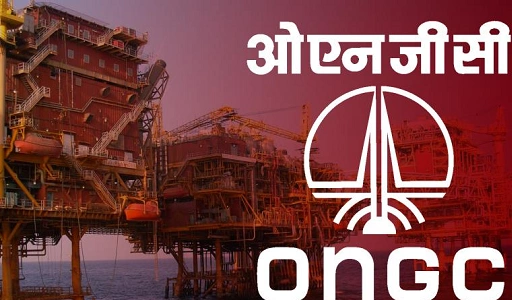
Oil and Natural Gas Corporation (ONGC) is India’s largest oil and gas exploration and production company. As a state-owned enterprise, ONGC plays a key role in meeting India’s energy needs and reducing dependence on imported oil. The company explores, drills, produces, and processes crude oil and natural gas from onshore and offshore fields across the country.
But oil exploration is a high-risk, high-investment industry. So how does ONGC actually make money? Here’s a simple, structured breakdown of its business model.
Understanding ONGC’s Core Business
ONGC operates across the entire upstream oil and gas value chain:
- Exploration
- Drilling
- Production
- Development of new reserves
- Sale of crude oil
- Sale of natural gas
- Sale of value-added petroleum products
ONGC also operates through subsidiaries like ONGC Videsh (international exploration), HPCL (refining & marketing), MRPL (refining), and OPaL (petrochemicals), creating a diversified energy ecosystem.
Key Components of ONGC’s Business Model
a) Upstream Focus
ONGC mainly earns money from discovering and producing hydrocarbons.
It is India’s backbone for crude oil and natural gas supply.
b) Long-Term Energy Contracts
ONGC sells oil and gas through government-mandated pricing frameworks and industry contracts.
c) Vertical Integration Through Subsidiaries
Refining and petrochemical subsidiaries help ONGC capture downstream value.
d) Global Footprint
Through ONGC Videsh, it invests in oil and gas assets worldwide, adding international revenue.
How ONGC Actually Makes Money?
ONGC has multiple revenue streams from crude oil, natural gas, and value-added products.
a) Crude Oil Sales (Biggest Revenue Source)
ONGC produces millions of tonnes of crude oil every year.
This crude is sold to:
- Indian Oil Corporation (IOC)
- Bharat Petroleum (BPCL)
- Hindustan Petroleum (HPCL)
Revenue depends on:
- Global crude oil prices (Brent, WTI)
- Government price regulations
- Domestic production volume
Higher international oil prices usually mean higher profits for ONGC.
b) Natural Gas Sales
ONGC sells natural gas to:
- Power plants
- Fertilizer units
- City gas networks
- Industrial consumers
Gas prices are partly regulated by the government under the Administered Price Mechanism (APM).
Revenue comes from:
- Fixed-price contracts
- Gas transportation charges
- Sale of non-APM gas at market-linked prices
Natural gas is a growing revenue segment due to India’s rising energy demand.
c) Value-Added Petroleum Products
ONGC produces several products during oil and gas extraction:
- LPG
- Naphtha
- C2-C3 gases
- Kerosene
- High-speed diesel (through subsidiaries)
These products add extra revenue beyond crude oil and gas.
d) Offshore & Onshore Field Services
ONGC earns money by providing:
- Drilling services
- Rig operations
- Seismic surveys
- Engineering and construction
These services are sometimes offered to partners or joint ventures.
e) International Business Through ONGC Videsh
ONGC Videsh invests in oilfields across:
- Russia
- Brazil
- Vietnam
- UAE
- Mozambique
- Sudan
- Kazakhstan
Revenue comes from:
- Crude sales
- Gas production
- Equity in global oilfields
International assets help secure long-term energy income.
f) Refining & Marketing (Through HPCL & MRPL)
Subsidiaries generate revenue from:
- Refining crude oil
- Selling petrol, diesel, LPG, aviation fuel
- Retail petrol pumps
- Petrochemical products
This captures downstream margin that pure upstream companies miss.
g) Petrochemicals (Through OPaL & MRPL)
ONGC produces:
- Polymers
- Chemicals
- Olefins
- Aromatics
These products earn higher margins than raw hydrocarbons.
h) Gas Infrastructure & Transportation
ONGC earns revenue from:
- Pipeline infrastructure
- Gas processing plants
- Fractionation units
These facilities charge processing or transmission fees.
i) Renewable Energy Investments
ONGC is slowly moving into:
- Solar farms
- Wind projects
- Green hydrogen
This segment is still small but expected to grow.
Why ONGC’s Business Model Works?
a) Strong Domestic Market: India is one of the world’s biggest energy consumers.
b) Government Support: Being a PSU, ONGC gets long-term exploration rights and policy protection.
c) Vertical Integration: Upstream + refining + petrochemicals create a stable revenue mix.
d) Large Reserve Base: ONGC owns major producing fields like Mumbai High.
e) Low Extraction Costs: ONGC’s cost of production is lower compared to many global peers.
f) International Asset Diversification: Overseas fields help balance domestic price regulation.
Challenges ONGC Faces
Despite strong fundamentals, ONGC has key challenges:
- High exploration and drilling costs
- Declining output from aging fields
- Price controls on domestic gas
- Volatility in global crude oil prices
- Rising imports reducing market share
- Environmental and safety regulations
- Competition from private players in gas and refining
Balancing investment in exploration with stable profitability is a major challenge.
The Future of ONGC’s Growth
ONGC is focusing on:
- Enhanced oil recovery (EOR) in old fields
- Deepwater exploration
- Gas-based economy expansion
- Green hydrogen & renewable projects
- Petrochemical capacity expansion
- Overseas asset diversification
- Improved drilling technology
India’s long-term energy demand ensures ONGC remains crucial for decades.
Conclusion
ONGC makes money through crude oil sales, natural gas sales, value-added petroleum products, refining and petrochemical subsidiaries, international oilfield earnings, drilling and engineering services, and pipeline infrastructure. Its integrated upstream and downstream presence, combined with strong domestic demand and government backing, makes ONGC one of India’s most important and profitable energy giants.
