Credit cards are one of the most widely used financial products in the world. They offer convenience, rewards, cashback, and short-term credit. While many people assume banks lose money by giving “interest-free periods” and rewards, the reality is very different. The credit card business is one of the most profitable segments for banks and financial institutions.
So how do credit card companies actually make money? Let’s break down the business model and revenue streams clearly and simply.
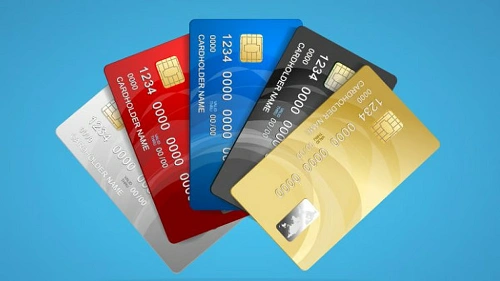
Understanding the Credit Card Ecosystem
A credit card involves multiple players:
- Issuer – The bank that gives you the card (HDFC, SBI, ICICI, etc.)
- Card Network – Visa, Mastercard, RuPay, American Express
- Merchant – The shop or website where the card is swiped
- Customer – The cardholder
Each party earns something from every transaction.
Key Components of the Credit Card Business Model
a) Short-Term Lending
A credit card is a revolving credit line.
Users borrow money temporarily and repay later.
b) No-Cost Spending
Customers get 30–50 days of interest-free credit, making cards attractive.
c) Interchange and Merchant Fees
Every time a card is used, the bank gets a fee from the merchant.
d) Risk-Based Pricing
Customers who don’t pay in full are charged high interest.
This is a major revenue engine.
e) Rewards Like Cashback & Points
Rewards keep customers using the card more often.
More usage = more revenue.
How Credit Card Companies Actually Make Money?
Here are the major income sources for banks and card networks.
a) Interest Income (Largest Revenue Source)
If a customer doesn’t pay the full outstanding amount by the due date, interest is charged.
Credit card interest rates are very high:
- 24% to 42% per year
- Charged monthly on unpaid balances
This is one of the biggest profit centers for banks.
b) Merchant Fees (Interchange Fee)
Whenever a card is swiped, the merchant pays a fee (usually 1–3%).
This fee is split among:
- Issuing bank
- Card network
- Payment processor
The issuing bank gets the largest share.
High-volume spending = high revenue.
c) Annual & Joining Fees
Many cards are free, but premium ones charge:
- Joining fee
- Annual fee
- Renewal fee
Banks earn steady income from customers who prefer premium benefits.
d) Late Payment Fees
If a customer misses the due date, banks charge:
- Late payment penalties
- Over-limit charges
- Returned payment fees
These fees add significant revenue, especially from heavy users.
e) EMI Conversion Charges & Interest
When a user converts a purchase into EMI, banks earn:
- Processing fees
- Monthly interest
- Foreclosure charges
This is one of the fastest-growing income streams.
f) Cash Withdrawal Fees
If customers withdraw cash using a credit card, banks charge:
- Cash advance fee
- High interest from day one
- Additional ATM charges
This is a high-margin product for banks.
g) Co-Branded Partnerships
Banks partner with brands like:
- Amazon
- Flipkart
- Indigo
- Tata Neu
- Ola
- Lifestyle stores
These brands pay banks for:
- Customer acquisition
- Marketing partnerships
- Revenue sharing
Co-branded cards drive massive spending volumes.
h) Interchange Fee From Online Payments
Online payments also generate interchange revenue.
With rising e-commerce, this has become a major income component.
i) Reward Program Partnerships
Card companies earn from brands that participate in reward programs.
Example:
- Airlines buy miles in bulk to give as points
- Retail chains pay to be part of cashback or discount categories
Banks earn money through these volume-based partnerships.
j) Balance Transfer Fees
If customers transfer balances from another bank’s card, banks charge:
- Transfer fee
- Interest on the transferred amount
This helps banks acquire customers from competitors.
Why the Credit Card Business Model Works So Well?
a) People Use Cards Frequently
Daily spending on fuel, groceries, shopping, travel, and food generates continuous revenue.
b) Most Users Don’t Pay Full Amount
A large percentage of customers revolve their balance and pay interest.
c) High Merchant Acceptance
Millions of merchants accept cards, increasing transaction volume.
d) Strong Rewards System
Rewards encourage customers to spend more, which increases revenue for banks.
e) Network Effect
More customers → more merchants → more transactions → more revenue.
f) Low Customer Acquisition Cost
Co-branding and online signups make credit card acquisition inexpensive.
g) Digital Payments Boom
UPI hasn’t replaced credit cards for high-value spending.
Credit card usage continues to rise in travel, retail, and online shopping.
Challenges in the Credit Card Business
Even with high profits, credit card companies face:
- Rising defaults during economic slowdowns
- Heavy competition from BNPL (Buy Now Pay Later) apps
- Regulatory caps on interest and fee structures
- Fraud and cyber risks
- Growing customer demand for higher rewards
Banks must balance profitability with risk management.
The Future of Credit Cards
The credit card industry will grow through:
- Contactless payments
- Virtual cards
- Subscription billing
- AI-based fraud detection
- BNPL integration
- Open banking & UPI-credit integration
- Premium lifestyle memberships
Banks are now designing cards for niche segments like gamers, startups, students, and frequent travelers.
Conclusion
Credit card companies make money through interest on unpaid balances, merchant interchange fees, annual fees, late payment charges, EMI interest, co-branded partnerships, cash withdrawal fees, and balance transfer charges. The model works because it generates revenue from every transaction, and most customers use cards frequently. With rising digital payments and lifestyle spending, credit cards remain one of the most profitable financial products in the world.
