Cafe Coffee Day (CCD) was once India’s largest coffee chain, famous for its relaxed atmosphere, affordable beverages, and “hangout” culture. Even though the brand has gone through financial struggles in recent years, CCD continues to operate hundreds of outlets across India. It built a strong identity around casual meetups, first dates, college gatherings, and business discussions—making it an important player in India’s café ecosystem.
But how does CCD actually make money? Here’s a clear breakdown of its business model and revenue streams.
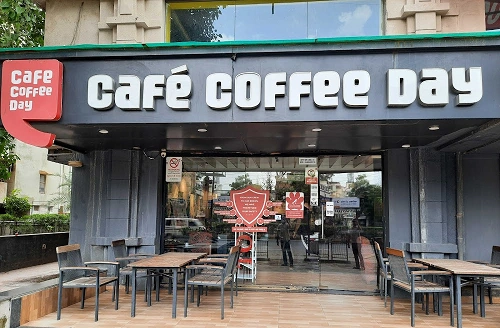
Understanding CCD’s Core Business
CCD is a retail café chain, offering:
- Hot and cold coffees
- Snacks and bakery items
- Sandwiches and wraps
- Teas, beverages, smoothies
- Desserts and pastries
- Ready-to-eat items
Its stores are located in:
- High streets
- Malls
- IT parks
- Airports
- Universities
- Petrol pumps
CCD focuses on creating a welcoming environment where people can spend time comfortably.
Key Components of CCD’s Business Model
a) Company-Owned Stores
Most CCD outlets are owned and operated by the company.
This gives CCD complete control over:
- Pricing
- Quality
- Store design
- Customer experience
b) Strategic Locations
CCD outlets are usually placed in high-footfall areas.
Location is critical because cafés depend on walk-in traffic.
c) Youth-Centric Brand
Affordable pricing and a relaxed atmosphere attract college students and young professionals.
d) Supply Chain Integration
CCD sources coffee beans from its own plantations through Amalgamated Bean Coffee Trading Company (ABCTCL).
This vertical integration reduces raw material cost.
e) Experience Over Speed
CCD focuses on ambiance, conversations, and long-duration customer stays—unlike quick-service takeaway chains.
How CCD Actually Makes Money?
Here are CCD’s major revenue streams:
a) Coffee & Beverage Sales (Primary Revenue Source)
The bulk of CCD’s revenue comes from sales of:
- Cappuccino
- Latte
- Espresso
- Cold coffees
- Frappes
- Iced beverages
Coffee has high margins, especially specialty drinks.
CCD keeps costs low through:
- In-house sourcing
- Bulk purchasing
- Standardized preparation
b) Food Sales
CCD earns a significant share from:
- Sandwiches and burgers
- Wraps and rolls
- Pizzas (limited outlets)
- Pastries and muffins
- Cookies and snacks
Food items complement beverages and increase average order value.
c) Combo Offers
Meal combos like:
- Coffee + Sandwich
- Coffee + Dessert
- Snack + Beverage
These deals push customers to spend more and improve per-ticket revenue.
d) Retail Products & Packaged Coffee
CCD sells:
- Packaged coffee powder
- Instant coffee
- Ready-to-drink beverages
- Coffee brewing equipment
These products extend the brand beyond cafés and add revenue from supermarkets and e-commerce.
e) Corporate & Institutional Vending Machines
CCD installs vending machines in:
- Offices
- Colleges
- Hotels
- Hospitals
- Airports
Revenue comes from:
- Sale of coffee and premixes
- Machine rental fees
- Maintenance charges
This is one of CCD’s most stable and profitable segments.
f) Event Catering and Partnerships
CCD offers bulk orders and event catering for:
- Corporate events
- College fests
- Exhibitions
- Small parties
These large orders help boost revenue beyond store sales.
g) Airport & Premium Location Stores
CCD earns higher margins at:
- Airports
- Metro stations
- IT parks
- High-end malls
Premium pricing helps recover higher rental costs.
h) Franchise Stores (Small Revenue Stream)
Although most CCD stores are company-owned, some operate on franchise or partnership models.
CCD earns through:
- Franchise fees
- Revenue share
- Supply of raw materials
This helps CCD expand without bearing all operational costs.
i) Cross-Selling and Upselling
CCD trains staff to promote:
- Extra toppings
- Upgraded cup sizes
- Add-on pastries or snacks
This increases average bill value per customer.
Why CCD’s Business Model Worked?
a) Strong Cultural Fit
CCD became the default hangout spot for India’s youth.
b) In-House Coffee Plantations
Vertical integration lowered raw material costs and ensured quality.
c) Affordable Pricing
CCD sits between street cafés and premium international chains—perfect positioning for mass appeal.
d) Wide Network
Hundreds of outlets created a strong national presence.
e) Experience-Based Selling
CCD sold “a place to chill,” not just coffee.
Challenges CCD Faces
Despite a good model, CCD has encountered major challenges:
- High debt from rapid expansion
- Increasing competition from Starbucks, Tim Hortons, Third-Wave Coffee brands
- Rising rental and labor costs
- Changing consumer preferences
- Operational inefficiencies
- Declining same-store growth at certain locations
However, the brand still carries strong legacy value and a loyal customer base.
The Future of CCD’s Growth
CCD is working toward:
- Leaner cost structure
- Reviving profitable outlets
- Expanding vending machine business
- Introducing premium beverages
- Strengthening packaged coffee sales
- Focusing on Tier-2 and Tier-3 cities
- Digital ordering and loyalty programs
If executed well, CCD can stabilize and grow again in India’s competitive café market.
Conclusion
Cafe Coffee Day makes money through coffee and beverage sales, food items, combo meals, packaged coffee, vending machines, event catering, premium location stores, and limited franchise revenue. Its vertically integrated supply chain and youth-friendly branding helped it build a strong position in India’s café industry. While CCD has faced financial challenges, its business model remains fundamentally solid, built around experience-driven dining and affordable pricing.
