OTT (Over-The-Top) platforms like Netflix, Amazon Prime Video, Disney+ Hotstar, Zee5, Sony LIV, MX Player, and many others have completely changed the way people watch movies and shows. Instead of cable TV, viewers now stream content anytime on their phones, TVs, and laptops. With millions of subscribers and massive libraries of content, OTT platforms have become one of the fastest-growing digital industries in the world.
But running an OTT platform is expensive content production, licensing, servers, streaming technology, and marketing all cost heavily. So how do OTT platforms actually make money? Here’s a clear breakdown of their business model.
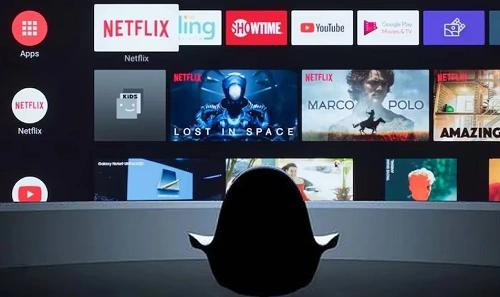
Understanding the OTT Ecosystem
OTT platforms offer:
- Movies and web series
- Original content (OTT exclusives)
- Live sports
- Kids’ content
- Regional shows
- Documentaries
- Music and short videos
Users access all this over the internet, without traditional cable or satellite providers.
Key Components of the OTT Business Model
a) Subscription-Based Streaming
Most OTT platforms use a paid subscription model that gives users unlimited access.
b) Content Licensing + Originals
Platforms buy content from film studios or create their own original shows.
c) Device Flexibility
Content works on:
- Phones
- Smart TVs
- Tablets
- Laptops
This convenience keeps users hooked.
d) Multi-Tier Pricing
Cheaper plans for mobile users, premium plans for multi-device households.
How OTT Platforms Actually Make Money?
OTT platforms use several strong revenue streams. Here are the main ones:
a) Subscription Revenue (Primary Income Source)
This is the biggest revenue stream for most OTT platforms.
Subscribers pay monthly or yearly fees for:
- Ad-free access
- HD or 4K quality
- Multi-device streaming
- Exclusive shows and movies
Platforms like Netflix, Amazon Prime Video, Sony LIV, and Discovery+ follow this model strongly.
Subscription income is stable and predictable, which helps OTT platforms plan long-term.
b) Advertising Revenue (AVOD Model)
Some platforms offer free content supported by ads.
This is called AVOD – Advertising Video On Demand.
Examples:
- MX Player
- JioCinema (certain content)
- YouTube
- Sony LIV free tier
- Hotstar free tier
These platforms earn through:
- Banner ads
- Video ads
- Pre-roll and mid-roll ads
- Sponsorships
Since large user bases watch free content, ad revenue becomes significant.
c) Hybrid Model (Freemium + Ads)
Many platforms use a combination of:
- Free content with ads
- Paid premium content
Disney+ Hotstar, Zee5, and Sony LIV use this model.
It helps attract free users and convert them into paid subscribers later.
d) Transactional Video on Demand (TVOD)
Here, users pay for each movie or episode instead of subscribing.
Examples:
- Google Play Movies
- Apple iTunes
- BookMyShow Stream
Platforms earn money every time a user:
- Rents a movie
- Buys a movie
- Pays for early premieres
This works well for new releases and blockbuster films.
e) Pay-Per-View of Live Events
OTT platforms earn by selling access to:
- Sports events
- Concerts
- Stand-up shows
- Live premieres
Examples:
- Hotstar earns from cricket packages
- Amazon charges extra for certain sports events
- Regional platforms sell pay-per-view concerts
f) Licensing Content to Other Platforms
Some OTT platforms produce original content and then license it to other networks or platforms.
This brings:
- Licensing fees
- International distribution fees
- Long-term royalties
Example: Amazon or Netflix originals often get licensed internationally.
g) Partnerships with Telecom & Internet Providers
OTT subscriptions are bundled with:
- JioFiber
- Airtel Xstream
- Vi Movies & TV
OTT platforms earn through revenue-sharing partnerships with telecom companies.
This helps platforms reach millions of new users instantly.
h) Brand Sponsorships & Product Placements
OTT originals often include:
- Sponsored scenes
- Product placements
- Branded storylines
Brands pay OTT platforms to showcase their products organically inside shows and movies.
i) Selling Merchandise
Some OTT franchises sell:
- T-shirts
- Bags
- Collectibles
- Toys
- Posters
For popular shows (like Mirzapur, Money Heist, Stranger Things), merchandise becomes a big income driver.
j) Data Monetization (Indirect Revenue)
OTT platforms analyze user data to:
- Recommend shows
- Improve retention
- Sell insights to partners
- Optimize ad targeting
Data improves both ad revenue and subscription retention.
Why OTT Business Models Work?
a) Growing Internet Penetration
Cheap mobile data in India fuels massive OTT consumption.
b) Original Content Pulls Subscribers
Shows like Sacred Games, Mirzapur, The Family Man, and Special Ops created long-term fan bases.
c) Flexible Pricing
Users choose what suits them:
- Free
- Ad-supported
- Premium
- Ultra-premium
d) Convenience
Watch anything, anywhere, anytime.
e) Multi-Language Content
OTT platforms cater to India’s diverse language segments.
Challenges OTT Platforms Face
Despite growth, OTT companies deal with:
- High content production costs
- Rising competition
- Subscription fatigue
- Piracy
- Government regulations
- Regional content demand
- Pressure to retain users after free trials
Balancing content quality with profitability is the biggest challenge.
The Future of OTT Growth
OTT platforms are expanding through:
- Regional content investment
- Live sports rights
- Gaming integration
- Social-viewing features
- AI-driven recommendations
- Partnerships with telecom networks
- Faster 5G streaming
India’s OTT market is expected to grow rapidly as more users shift from cable TV to digital streaming.
Conclusion
OTT platforms make money through subscription fees, advertising revenue, hybrid models, pay-per-view, live event streaming, content licensing, telecom partnerships, brand sponsorships, and merchandise sales. Their focus on original content, flexible pricing, and convenience has transformed the entertainment industry and created a strong, scalable digital business model.
