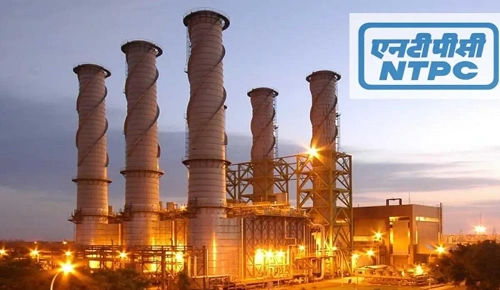
NTPC (National Thermal Power Corporation) is India’s largest power producer and one of the most important public-sector companies in the country. It generates electricity through coal, gas, hydro, solar, wind, and emerging clean-energy technologies. With dozens of power plants across India, NTPC supplies a major share of the country’s electricity. Because power is an essential service, NTPC operates in a regulated environment, yet remains stable and consistently profitable.
But how does NTPC actually make money? And what keeps this giant PSU financially strong year after year?
Here’s the complete breakdown of NTPC’s business model and revenue streams.
Understanding NTPC’s Core Business
NTPC’s primary business is generating electricity and supplying it to:
- State electricity distribution companies (DISCOMs)
- The national power grid
- Large industrial consumers
- Government agencies
The company operates plants powered by:
- Coal
- Natural gas
- Hydro
- Solar
- Wind
- Waste-to-energy
NTPC has also entered the nuclear space through joint ventures, but these projects are still at early stages and do not significantly contribute to current revenue.
Key Components of NTPC’s Business Model
a) Large-Scale Power Generation Capacity
NTPC operates some of India’s biggest power plants, giving it enormous generation capability and consistent demand.
b) Long-Term Power Purchase Agreements (PPAs)
Most of NTPC’s electricity is sold under 20–25 year PPAs with state DISCOMs.
This guarantees stable revenue even when consumption fluctuates.
c) Regulated Tariff Model (CERC Framework)
NTPC’s tariffs are set by the Central Electricity Regulatory Commission (CERC).
They earn a regulated return based on:
- Capital investment
- Cost of generation
- Operational norms
This ensures predictable and steady profitability, regardless of short-term market volatility.
d) Diversifying Into Renewables
NTPC is aggressively expanding into solar, hydro, green hydrogen, and battery storage.
This shift is central to its long-term strategy but requires significant upfront capital.
e) Government Support
Being a PSU and a critical national utility, NTPC benefits from policy priority and stable regulatory oversight.
How NTPC Actually Makes Money?
a) Sale of Electricity (Primary Revenue Source)
The largest revenue stream comes from selling electricity to state DISCOMs under PPAs.
Revenue depends on:
- Units of electricity generated
- Tariff structure
- Plant availability
Electricity demand in India is continuously rising, keeping NTPC’s core revenue strong.
b) Capacity Charges
Even if electricity is not drawn by the DISCOM, NTPC earns capacity charges simply for keeping the plant ready to supply power.
These charges ensure predictable income regardless of daily demand.
c) Energy Charges
Energy charges are paid based on units actually consumed by DISCOMs.
They include fuel cost recovery and a margin for NTPC.
d) Performance Incentives Under CERC Norms
NTPC earns additional incentives when plants perform better than normative standards set by CERC, such as:
- Higher Plant Load Factor (PLF)
- Better Plant Availability Factor (PAF)
- Lower auxiliary consumption
- Improved heat rate
These incentives directly boost profits and reward operational efficiency.
e) Renewable Energy Sales
NTPC’s solar and wind projects supply power at tariff rates fixed through competitive bidding.
Over time, renewables will become a significant revenue source as capacity expands.
f) Consultancy, EPC & Project Management
NTPC offers engineering, project management, and operations services to domestic and international clients.
Revenue comes from:
- Consultancy fees
- EPC contracts
- O&M service contracts
These services diversify income beyond electricity sales.
g) Coal Mining Operations
NTPC operates several captive coal mines.
This provides:
- Lower fuel cost
- Higher margin generation
- Improved supply reliability
Occasionally, surplus coal can also be monetized.
h) Joint Ventures & Subsidiaries
NTPC earns through JVs involved in:
- Hydro projects
- Renewable energy
- Transmission
- Coal mining
- International ventures
While nuclear projects exist, their revenue impact is currently minimal.
i) Power Trading
NTPC trades surplus power through power exchanges, earning additional revenue through short-term market sales.
Why NTPC’s Business Model Works?
a) Guaranteed Revenue
Long-term PPAs ensure consistent inflow of money.
b) Regulated Profits
The CERC framework protects NTPC from extreme market volatility.
c) Large Economies of Scale
High capacity reduces overall cost per unit of electricity.
d) Nationwide Need for Power
Electricity is essential, recession-proof, and always in demand.
e) Integrated Operations
Owning coal mines, transport systems, and diversified energy sources strengthens reliability.
f) Strong Push Into Renewables
This positions NTPC well for India’s clean energy future.
Challenges NTPC Faces
a) Delayed DISCOM Payments
One of NTPC’s biggest challenges is receivables from financially stressed DISCOMs.
Payment delays affect working capital and cash flow.
b) Heavy Dependence on Coal (Short Term)
While transitioning, coal remains the backbone of NTPC’s capacity.
c) High Capex Requirements
The move toward renewables, green hydrogen, and storage requires massive long-term investment.
d) Regulatory Pressure on Emissions
Stricter environmental norms increase compliance and retrofit costs.
e) Competition in Renewable Bidding
Private players often bid aggressively, reducing margins.
The Future of NTPC’s Growth
Growth will come from:
- Large-scale solar parks and hybrid plants
- Green hydrogen and fuel-cell mobility
- Pumped hydro storage
- Carbon capture and clean-coal technologies
- Smart grid and charging infrastructure
- International renewable projects
India’s rapidly growing energy demand gives NTPC long-term expansion potential.
Conclusion
NTPC makes money by selling electricity through long-term PPAs, earning capacity and energy charges, receiving performance incentives, expanding into renewable energy, providing consultancy, operating coal mines, and trading surplus power. With regulated tariffs, strong government support, and massive capacity, NTPC runs one of India’s most stable and secure business models. As the company transitions into a clean-energy leader, its future revenue sources will continue to diversify.
